








The idea of completely banning AI – Artificial Intelligence has become a frequent talking point in global policy debates, driven by very real, valid anxieties about its rapid integration into our lives.
From the systematic erasure of traditional creative jobs to the chilling rise of algorithmic bias, automated deepfakes, and hyper-realistic misinformation, the dark side of this technology is no longer a distant sci-fi scenario; it is a pressing, everyday reality.
There is no denying that left unchecked, AI possesses a profoundly harmful potential to destabilize our economy, compromise data privacy, and erode the basic fabric of human trust.
Yet, callously pulling the plug on a tool that has already woven itself into the infrastructure of modern medicine, global logistics, and scientific research is a logistical impossibility.
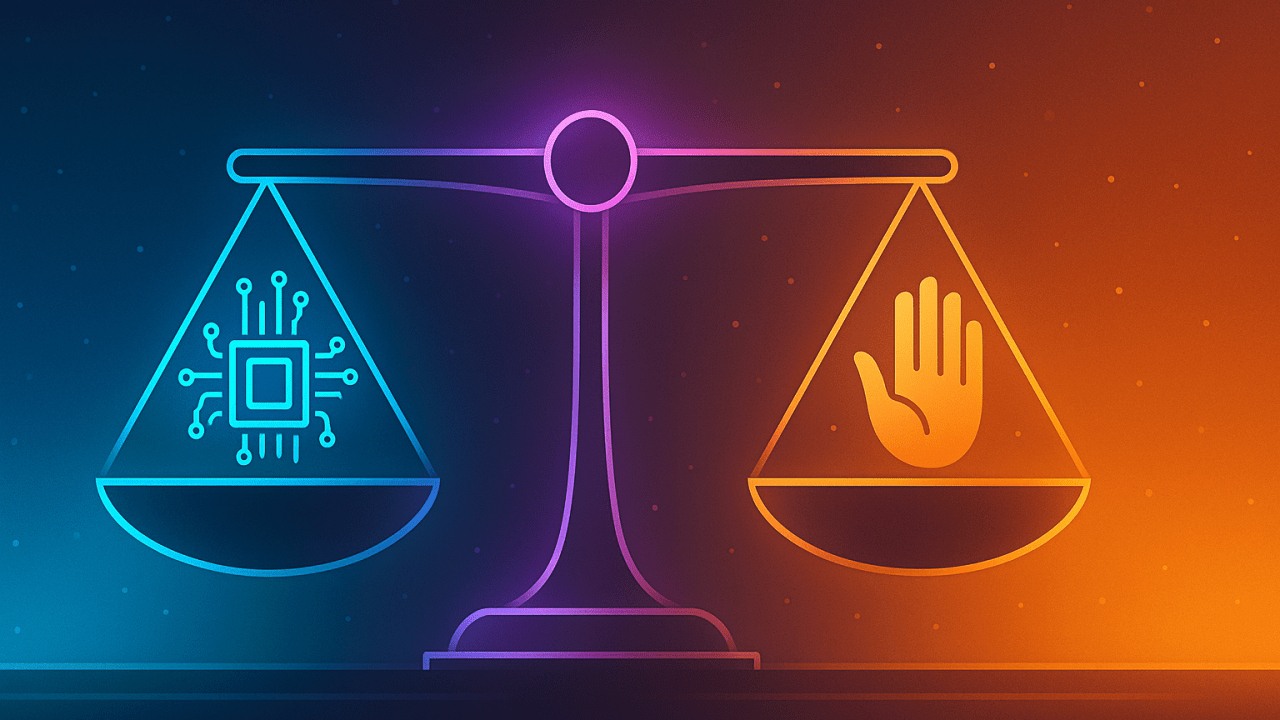
The future will not be defined by a sweeping prohibition, but by a rigorous, proactive realignment. We are standing at a critical civilizational crossroads where the goal is no longer about letting technology run wild for the sake of raw profit, but intentionally enforcing strict boundaries that ensure AI serves as a transparent, ethical tool built exclusively for a human-centric tomorrow.
Executive Summary: Why AI Won’t Be Banned?
In recent months, a wave of polarizing headlines has swept through global media outlets, capturing public attention with a singular, existential question: Should Artificial Intelligence be banned before it inflicts irreversible harm on humanity?
From high-profile open letters signed by tech titans to warning sirens sounded by existential risk philosophers, the public narrative has become deeply fractured. For the everyday professional, entrepreneur, and citizen, this constant stream of alarmism breeds a sense of profound uncertainty and tech fatigue.
However, looking past the sensationalized media cycles through a lens of rigorous economic reality and humanist philosophy reveals a much different truth. Artificial Intelligence is not going to be banned. The logistical, economic, and systemic realities of our global infrastructure make a total shutdown of AI both practically impossible and socially counterproductive.
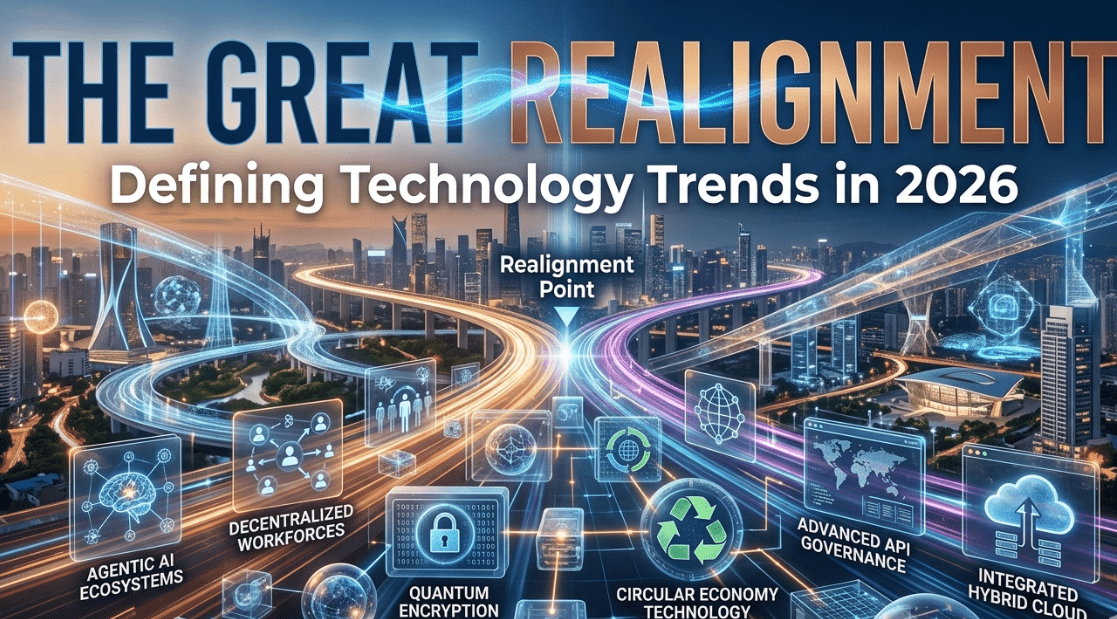
Instead, what the world is currently experiencing is not the death knell of the digital age, but rather The Great Realignment, a historic, conscious restructuring where humanity moves away from reckless technological experimentation and transitions toward advanced governance, strict ethical boundaries, and intentional, human-coached autonomous ecosystems.
1. Deconstructing the Media Sensationalism: Ban vs. Regulation
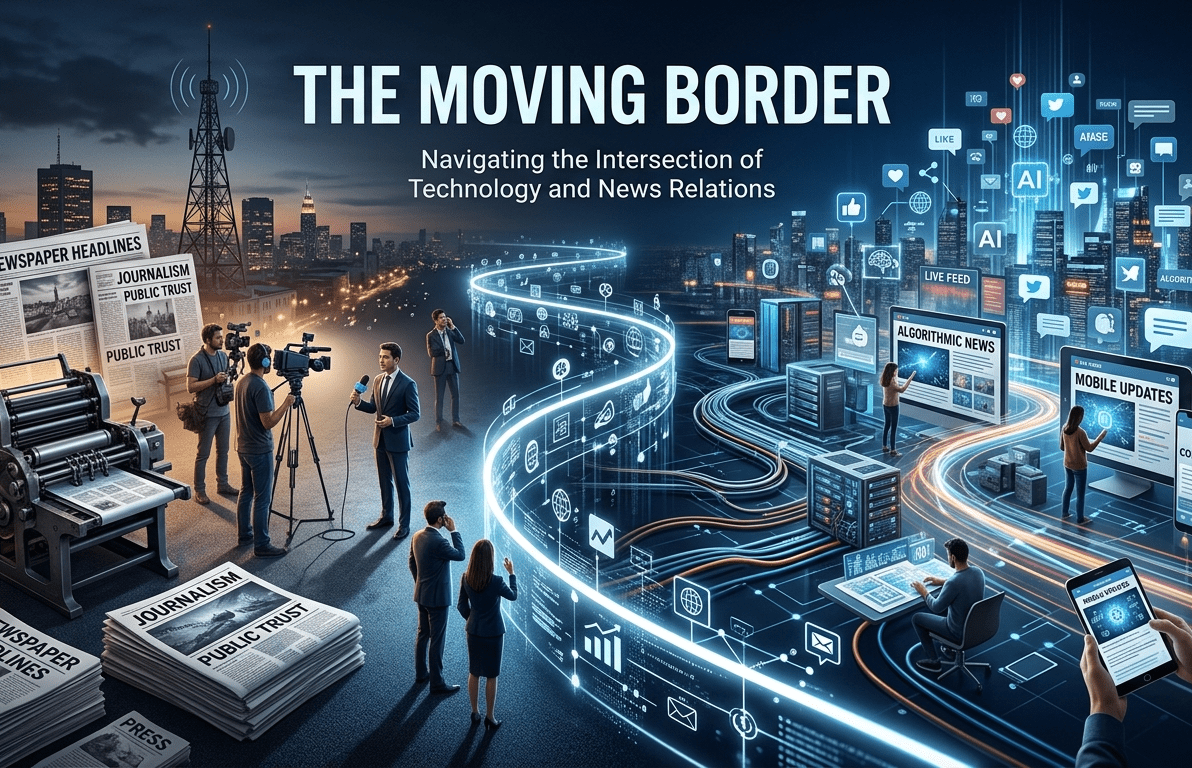
To understand the current state of AI discourse, one must first separate political and media rhetoric from structural reality. When mainstream news headlines scream that “AI must be stopped,” they are fundamentally mischaracterizing a highly complex legislative and corporate debate. The global community is not preparing to pull the plug on neural networks; rather, it is actively designing the regulatory guardrails that should have been implemented years ago.
The shift we are witnessing in 2026 marks a definitive “Year of Truth.” The prior years of frantic, unguided AI pilots, speculative venture capital investments, and unchecked digital playgrounds have officially closed. Driven by global macroeconomic shifts, energy grid constraints, and an unyielding corporate demand for real, measurable return on investment (ROI), organizations have stopped treating AI as a novel playground toy.
The calls for action coming from global tech leaders and governing bodies are not pleas for a complete ban, but rather urgent demands for systemic Regulation and Advanced Governance. For example, frameworks like the European Union’s AI Act, evolving executive orders in the United States, and international coalitions are establishing rigorous legal boundaries.
The goal is simple: ensure that as technology evolves, it remains legally compliant, socio-economically safe, and philosophically aligned with human well-being. To ban AI entirely today would be equivalent to banning electricity in the late 19th century because of a few faulty power lines; the solution has always been to build safer grids, invent circuit breakers, and enforce strict electrical codes.
2. The Humanist Perspective: Assessing Real Risks Over Sci-Fi Fantasies
A truly humanistic approach to technology requires looking at threats through a lens of human impact rather than cinematic sci-fi tropes. The fear that an independent, hyper-intelligent machine consciousness will spontaneously arise to enslave humanity remains a concept confined to Hollywood scripts. The real risks of AI are far more immediate, systemic, and intimately tied to human choices, economics, and ethics.
The True Challenges of the AI Era:
-
Socio-Economic Disruption and the Job Market: The most pressing human concern is job displacement. As automation scales, routine cognitive and manual tasks are being absorbed by algorithms. From a humanist standpoint, it demands a massive, systemic commitment to human capital. The focus of modern leadership must shift from blaming the software to actively funding and executing massive upskilling and reskilling initiatives, ensuring that displaced workers are transitioned into uniquely human roles that prioritize emotional intelligence, strategic leadership, and creative problem-solving.
-
The Proliferation of Misinformation and Deepfakes: The true danger of AI is not that it possesses malice, but that it can be used as a force multiplier for human malice. The unchecked generation of hyper-realistic deepfakes, synthetic media, and automated propaganda poses a direct threat to public trust, democratic processes, and social cohesion. Combating this requires a combination of technological watermarking (such as cryptographic content provenance) and a renewed cultural emphasis on digital literacy and critical thinking.
-
The Ethics of Autonomous Decision-Making: As systems transition into autonomous workflows, we face the challenge of algorithmic bias. Because AI models are trained on historical human data, they can inadvertently institutionalize past societal prejudices. If an autonomous system controls hiring, loan approvals, or legal assessments without human oversight, it risks perpetuating inequality under the guise of objective mathematics.
3. The Structural Shift: Entering the Era of Agentic Reality
We have officially moved past the rudimentary era of passive, prompt-and-response AI. The days when AI was merely a tool to write a quick email draft or generate a basic piece of concept art are over. The world has crossed the threshold into Agentic Reality, the rise of fully autonomous software ecosystems.
Today’s AI agents are sophisticated, specialized digital entities capable of independent reasoning, multi-step planning, and executing complex corporate operations without constant human hand-holding. This evolution is giving birth to a Multi-Agent Economy.
Modern enterprises are increasingly operating as hybrid environments where human professionals manage, coach, and collaborate with networks of digital agents. These digital agents autonomously orchestrate real-time supply chain logistics, manage cross-border corporate procurement, and handle complex data security protocols via advanced API governance.
In this highly integrated structural paradigm, a total ban is fundamentally off the table. Modern telecommunications, global finance, healthcare diagnostics, and logistics networks are already deeply intertwined with these algorithmic layers. Abruptly dismantling them would collapse global supply chains and trigger unprecedented economic stagnation. The mandate for global strategists and executives is not to plan for a post-AI world, but to master the art of orchestrating human-machine collaboration safely and profitably.
4. The Irreplaceable Human Factor: What Machines Can Never Replicate
No matter how rapidly current technology trends advance, there remains a vast, unbridgeable chasm between artificial processing power and human consciousness. Algorithms are extraordinarily proficient at pattern recognition, predictive mathematics, and structural optimization. However, they lack the foundational qualities that define the human experience.
+-------------------------------------------------------------------+
|                     THE COMPLEMENTARY ECOSYSTEM                   |
+------------------------------------+------------------------------+
|     What AI Brings to the Table    |  What Only Humans Possess    |
+------------------------------------+------------------------------+
| * Mass Data Processing             | * True Empathy & Compassion  |
| * Pattern Recognition at Scale     | * Moral & Ethical Reasoning  |
| * 24/7 Operational Automation      | * Authentic Creativity       |
| * Predictive Analytics             | * High-Stakes Intuition      |
+------------------------------------+------------------------------+
An AI can analyze a million data points from medical journals to suggest a treatment plan, but it cannot sit by a patient’s bedside, look them in the eyes, and offer genuine comfort, hope, and compassion. An AI can optimize a financial portfolio based on market variables, but it cannot navigate the nuanced ethical dilemmas of corporate social responsibility or understand the profound human weight of a massive strategic layoff.
True innovation, deep emotional resonance, and moral accountability belong entirely to humanity. AI does not possess a soul, a conscience, or a lived experience; it is a mirror reflecting human intent.
5. The Way Forward: Cultivating a Co-Pilot Mindset
The ultimate resolution to the modern AI debate lies in abandoning the adversarial narrative of “Humans versus Machines” and adopting the symbiotic framework of Humans Leverage Machines. AI should never be viewed as our replacement; it must be treated as our ultimate intellectual co-pilot.
For entrepreneurs, corporate executives, and global strategists, navigating this realignment successfully requires a distinct set of actionable imperatives:
-
Enforce Proactive Ethical Frameworks: Organizations must establish internal AI ethics boards to vet algorithms for bias, ensure transparent data sourcing, and guarantee that ultimate accountability for any automated decision remains squarely with a human executive.
-
Invest Heavily in Human Capital: As technological trends automate computational tasks, the market value of soft skills will skyrocket. Forward-thinking leaders must over-index on developing their teams’ emotional intelligence, complex negotiation skills, philosophical reasoning, and cross-cultural leadership capabilities.
-
Champion Content Authenticity and Transparency: To preserve public trust, enterprises must be radically transparent about where, why, and how they deploy AI, utilizing clear disclosure standards for synthetic data or automated processes.
Conclusion
Artificial Intelligence is here to stay, not because we are helpless to stop it, but because when properly harnessed, it represents one of the most powerful toolsets ever created to solve complex, global human challenges. The current anxieties filling our newsfeeds are simply the growing pains of a civilization learning to handle a monumental new power.
The Great Realignment of 2026 invites us to step out of a paralyzing state of fear and step into an empowering state of active stewardship. This era does not call for the blind, reckless adoption of every new digital novelty, nor does it allow for fearful isolationism. It demands human wisdom, moral clarity, and professional responsibility.
By establishing rigorous governance while leaning heavily into our uniquely human strengths, our empathy, our ethics, and our shared consciousness, we can construct a future where technology does not diminish humanity but rather elevates our highest potential.