






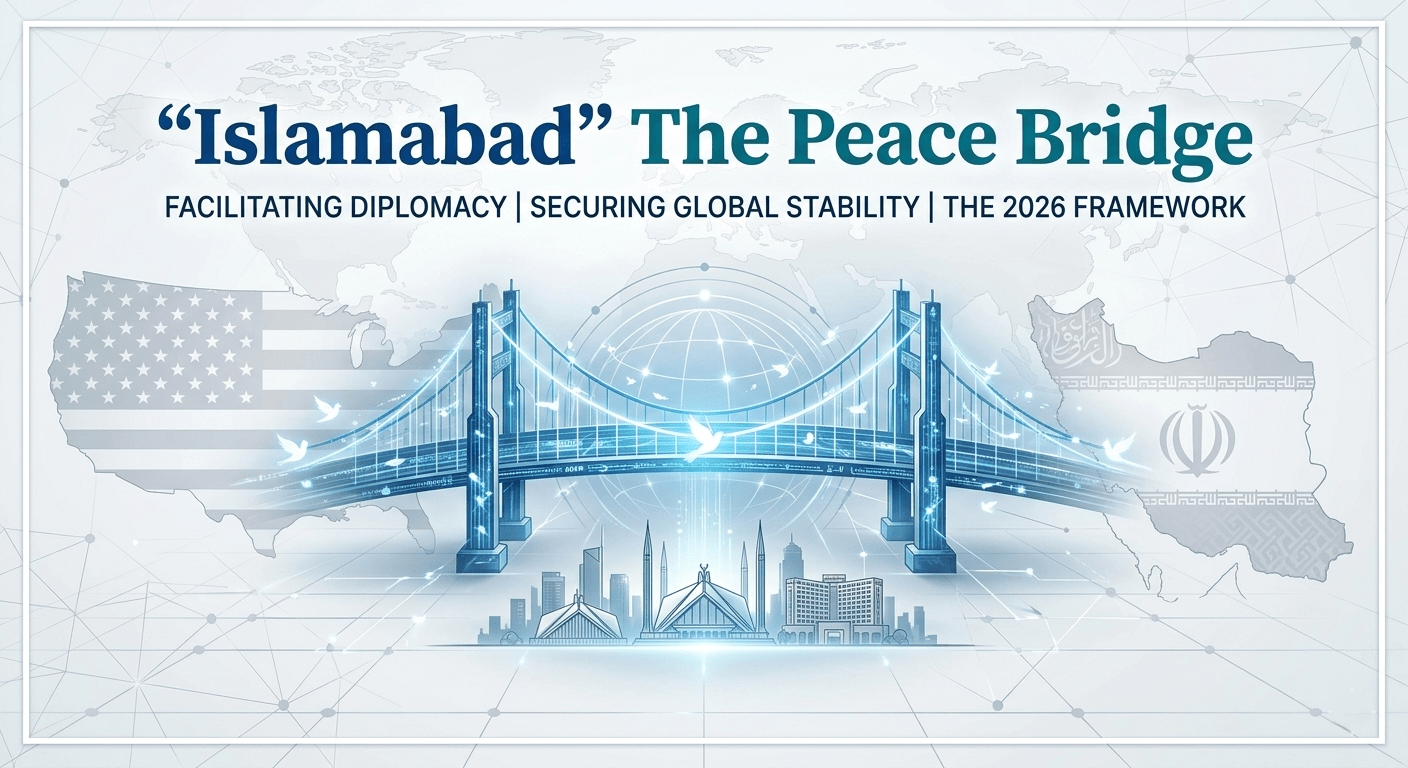
Pakistan Emerges as Central Mediator in U.S.-Iran Negotiations
Date: April 29, 2026
Location: Islamabad, Pakistan
ISLAMABAD – As the April ceasefire deadline approaches, Pakistan has solidified its role as the indispensable diplomatic bridge between Washington and Tehran. Following weeks of intense regional instability, the focus of global attention has shifted to Islamabad, where high-level shuttling of peace proposals is currently underway to prevent a further escalation of the 2026 regional conflict.
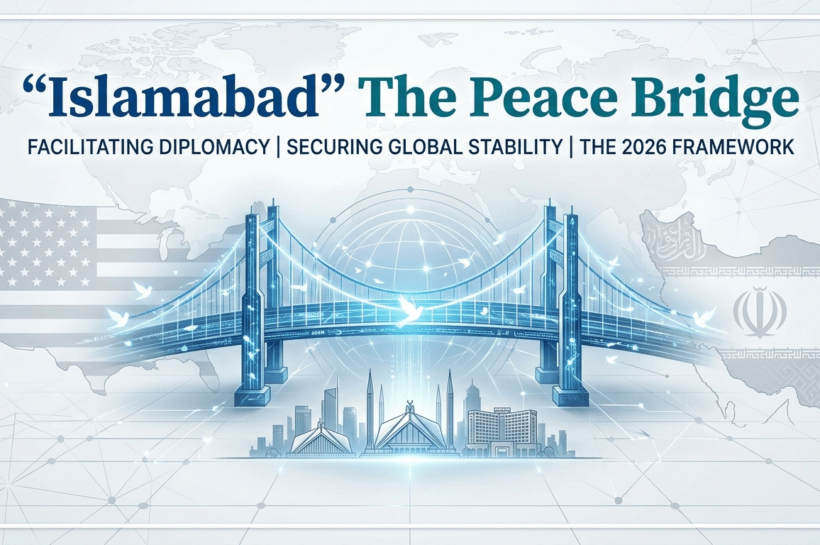
Pakistan has officially solidified its position as the critical diplomatic link between Washington and Tehran, facilitating a series of high-stakes negotiations to resolve the ongoing regional conflict. Following the landmark Islamabad Talks held earlier this month, the capital remains the central hub for the “Islamabad Framework,” a diplomatic roadmap aimed at securing long-term global stability.
The Diplomatic Sprint
While direct 21-hour negotiations between U.S. and Iranian officials on April 11-12 provided a baseline, the current focus has shifted to indirect “shuttle diplomacy.” Iranian Foreign Minister Abbas Araghchi recently concluded a strategic visit to Islamabad, where he presented a new proposal focused on the Strait of Hormuz. This plan suggests a path to reopening the vital global energy corridor in exchange for a structured de-escalation of maritime blockades.
Key Strategic Milestones
-
The Ceasefire Extension: At the request of Pakistani mediators, the initial two-week truce has been extended. This vital window has enabled the movement of humanitarian aid and allowed technical teams to discuss the specifics of nuclear and regional security.
-
Message Transmission: With direct U.S. envoy travel currently paused, Pakistan’s Ministry of Foreign Affairs is serving as the primary secure channel for transmitting “written messages” and counter-proposals between the two nations.
-
Global Buy-In: The “Islamabad Framework” has garnered significant backing from regional powers, including Russia and Qatar, who view Pakistan’s neutral mediation as the most viable path to avoiding a broader economic crisis.
A Vision for Stability
Under the leadership of Prime Minister Shehbaz Sharif and Field Marshal Asim Munir, Pakistan is not merely hosting these talks but acting as a guarantor of the process. By balancing the “maximalist demands” of both sides, the Pakistani mediating team is working to turn a temporary ceasefire into a permanent peace agreement that secures global energy routes and regional borders.
The Current Diplomatic Landscape
Recent high-stakes meetings in the Pakistani capital have seen Iranian Foreign Minister Abbas Araghchi engaging with regional interlocutors to present a new “Hormuz Proposal.” This initiative, aimed at reopening the strategic Strait of Hormuz, a vital artery for 20% of the world’s oil, represents a significant shift in the ongoing standoff.
While direct talks held earlier this month in Islamabad between senior U.S. and Iranian officials provided a foundation, the current phase relies on Pakistan’s unique ability to transmit secure, high-level messages between the warring parties.
Key Developments in the “Islamabad Framework”
-
The Hormuz Initiative: Iran has reportedly offered to restore normal maritime traffic through the Strait of Hormuz in exchange for the lifting of the U.S. naval blockade on Iranian ports.
-
Ceasefire Extension: Following a personal request from Pakistani leadership, the initial two-week ceasefire has seen a conditional extension, allowing for a “diplomatic window” to finalize terms of a broader peace deal.
-
Global Support: Major regional powers, including Qatar, Turkey, and Saudi Arabia, have publicly backed the Pakistani-mediated talks, emphasizing that a stable Middle East is essential for global energy security.
Impact on Global Stability
The ongoing negotiations have had an immediate impact on international markets:
-
Energy Markets: Oil prices, which spiked during the February hostilities, have begun to stabilize as the prospect of a reopened Strait of Hormuz grows more likely.
-
Humanitarian Corridors: The ceasefire has enabled the first significant movement of humanitarian aid into affected zones since the conflict began in early 2026.
-
Regional Security: Under the oversight of Field Marshal Asim Munir and Prime Minister Shehbaz Sharif, Pakistan has positioned itself not just as a host but as a neutral guarantor of the negotiation process.
The Path Ahead
The White House has signaled a cautious “wait-and-see” approach, with President Trump emphasizing that any final agreement must ensure long-term regional security. Meanwhile, the Iranian delegation has departed Islamabad for Moscow to secure further regional buy-in for the peace roadmap.
As the clock ticks toward the next major summit, the “Islamabad Framework” remains the world’s best hope for de-escalating a conflict that has upended global trade and security.
Conclusion
As the diplomatic clock ticks, the world remains focused on Islamabad. The success of these negotiations represents more than just a regional truce; it is a testament to the power of professional diplomacy in an increasingly complex digital and geopolitical age. Read More News
Disclaimer
Forward-Looking Statements: This press release contains forward-looking information regarding regional diplomatic efforts and global stability. These statements are based on current geopolitical observations and available public data as of April 29, 2026. Actual outcomes may differ materially due to shifts in international policy, regional security developments, or changes in diplomatic priorities.
Informational Purposes Only: The information provided in this release is intended for general informational and journalistic purposes. It does not constitute official government policy or legal advice. While every effort is made to ensure accuracy, the publisher assumes no liability for errors, omissions, or the consequences of any actions taken based on the content of this release.
Sources: APNews, ARYNews, & TheFoxNews