









Why Online Classes Made Studying Harder, Not Easier?
Online classes were supposed to make life easier. No rushing to campus, no heavy backpacks, no early-morning alarms.
Just log in, sit back, and learn, right?
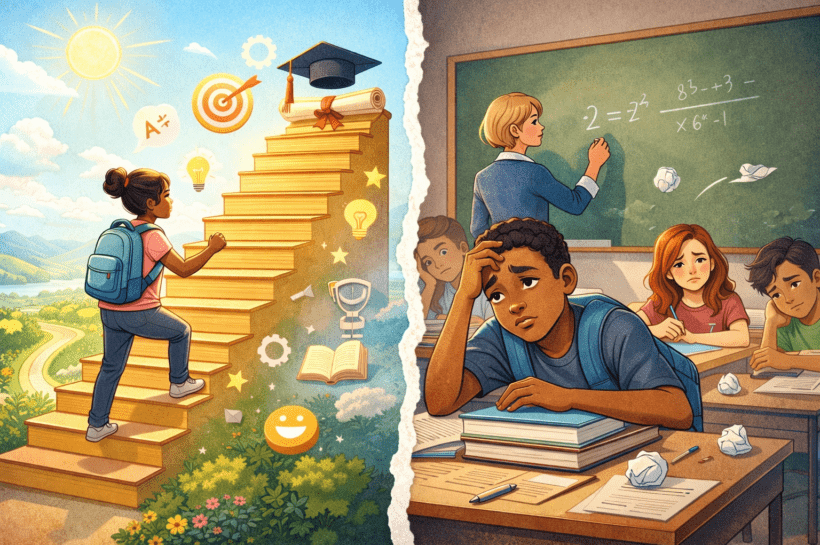
Yet for many students, that promise quickly turned into frustration, burnout, and a strange feeling of always being in class but never fully present.
Imagine staring at a screen for hours, juggling unstable internet, muted microphones, and the pressure to stay focused while your bed is just a step away. What sounded flexible suddenly felt exhausting. Instead of simplifying studying, online classes blurred the line between home and school, turning bedrooms into classrooms and comfort zones into stress zones.
- So why did a system designed for convenience end up making learning harder for so many?
- Was it the lack of interaction, the overload of assignments, or something deeper, like how we actually learn best?
Let’s break it down and uncover what really went wrong when education went fully digital.
When studying online became more difficult, not more convenient
At first glance, online classes seemed like a student’s dream. Flexible schedules, recorded lectures, and the comfort of learning from home.
But as weeks turned into months, the cracks began to show. Studying stopped feeling structured and started feeling scattered. Without the natural rhythm of classrooms, libraries, and face-to-face discussion, many students struggle to stay motivated and organised.
The digital setup also demanded a level of self-discipline that not everyone was prepared for. Deadlines piled up, screen fatigue kicked in, and the constant presence of notifications made deep focus nearly impossible.
What was meant to save time often ended up consuming more of it, leaving students wondering how easier learning somehow became more overwhelming than ever.
-
The motivation problem (When your bed is your classroom)
Let’s be honest. Studying is hard enough without your bed silently inviting you to take a five-minute nap. In physical classrooms, the environment itself encourages you to enter a learning mode. Online classes? Not so much. Home is full of distractions.
- Family noise
- Phones buzzing
- Food breaks that turn into full meals
- And Netflix is sitting one tab away
According to studies, nearly 60% of students reported lower motivation in online learning compared to in-person classes.
Without classmates around or a teacher physically present, it became easier to procrastinate and harder to care. The result? Last-minute studying, rushed assignments, and constant guilt. But even in the hard times, assignment help Ireland will be there to save you.
-
Too much screen time, too little brain time
Online learning dramatically increased screen time exposure. Lectures, notes, quizzes, discussions, presentations, everything lived on screen. While technology helped continue education, it also caused digital fatigue.
Research shows students spent 6-8 hours daily on screens during online semesters, leading to headaches, eye strain, poor sleep, and mental exhaustion.
When your brain is tired, learning slows down. You are technically attending class, but mentally checked out halfway through the lecture.
-
The interaction gap
Classroom learning thrives on interaction. Raising hands, asking quick questions, group discussions, and even whispering doubts to a friend. Online classes stripped much of that away. Cameras stayed off, microphones stayed muted, and conversations felt forced.
In fact, surveys revealed that over 70% of students felt less connected to teachers and fellows online.
That lack of connection made it harder to ask questions, share opinions, or stay engaged. Learning became a solo activity, and for many, a very isolating one.
-
Flexibility that backfired
Yes, online classes offered flexibility, but sometimes, too much of it. Recorded lectures and extended deadlines created a false sense of control. “I’ll watch it later” turned into “I’ll watch it tomorrow,” and then into “Oops, exams are here.”
Without a fixed routine, students struggled with time management. Instead of studying a little every day, many crammed everything at once, increasing stress and decreasing understanding.
-
More assignments, more stress
Many students noticed something strange. Online classes came with more assignments. To compensate for the lack of physical presence, instructors relied heavily on quizzes, discussion posts, reflections, and projects. And that is when students should act smartly and pay someone to do my assignment.
| Aspect | In-Person Classes | Online Classes |
|---|---|---|
| Daily Screen Time | 2–3 hours | 6–8 hours |
| Student Interaction | High | Low |
| Assignment Load | Balanced | Often Heavy |
| Focus Level | Higher | Lower |
| Mental Fatigue | Moderate | High |
-
Not everyone had equal access
Let’s not forget the technical struggles. Unstable internet, power outages, shared devices, and a lack of quiet study spaces made learning unfairly difficult for many students. A missed lecture or frozen screen wasn’t just annoying, but also affected grades and confidence.
Studies suggest that one in three students faced regular technical issues during online learning, adding another layer of stress to an already challenging system.
-
The mental health toll no one talked about enough
Beyond grades and assignments, online classes quietly took a toll on students’ mental health. The isolation, constant screen exposure, and pressure to stay available all the time led to anxiety, burnout, and emotional fatigue. Many students felt guilty for struggling, assuming studying from home should be easier, when in reality, it wasn’t.
Reports showed a noticeable rise in stress, anxiety, and burnout among students during prolonged online learning periods.
Without casual campus interactions, study groups, or even short walks between classes, days began to feel repetitive and overwhelming. Learning turned into survival mode: log in, submit work, log out, repeat.
Frequently asked questions
Why did online classes feel more stressful than in-person classes?
Online classes often blurred the boundary between study time and personal time. With constant screen exposure, heavier assignment loads, and fewer breaks, students felt mentally switched on all day, leading to higher stress levels.
Do online classes really affect student motivation?
Yes. Multiple surveys show that motivation drops in online settings due to a lack of face-to-face interaction, fellow energy, and classroom structure. When learning feels isolated, staying motivated becomes much harder.
Are online classes harder for certain types of learners?
Absolutely. Students who learn best through discussion. Hands-on activities or visual cues often struggle online. Self-paced learners may thrive, but others find it difficult without direct guidance.
The real takeaway
Online classes weren’t a failure, but they weren’t the magic solution either. They revealed something important. Learning is about connection, structure, and balance, and not just convenience. When those elements disappear, studying becomes harder, not easier.
So how can education combine the flexibility of online learning with the human connection of classrooms?
Because the future of studying depends on getting that balance right.